SOLARIS
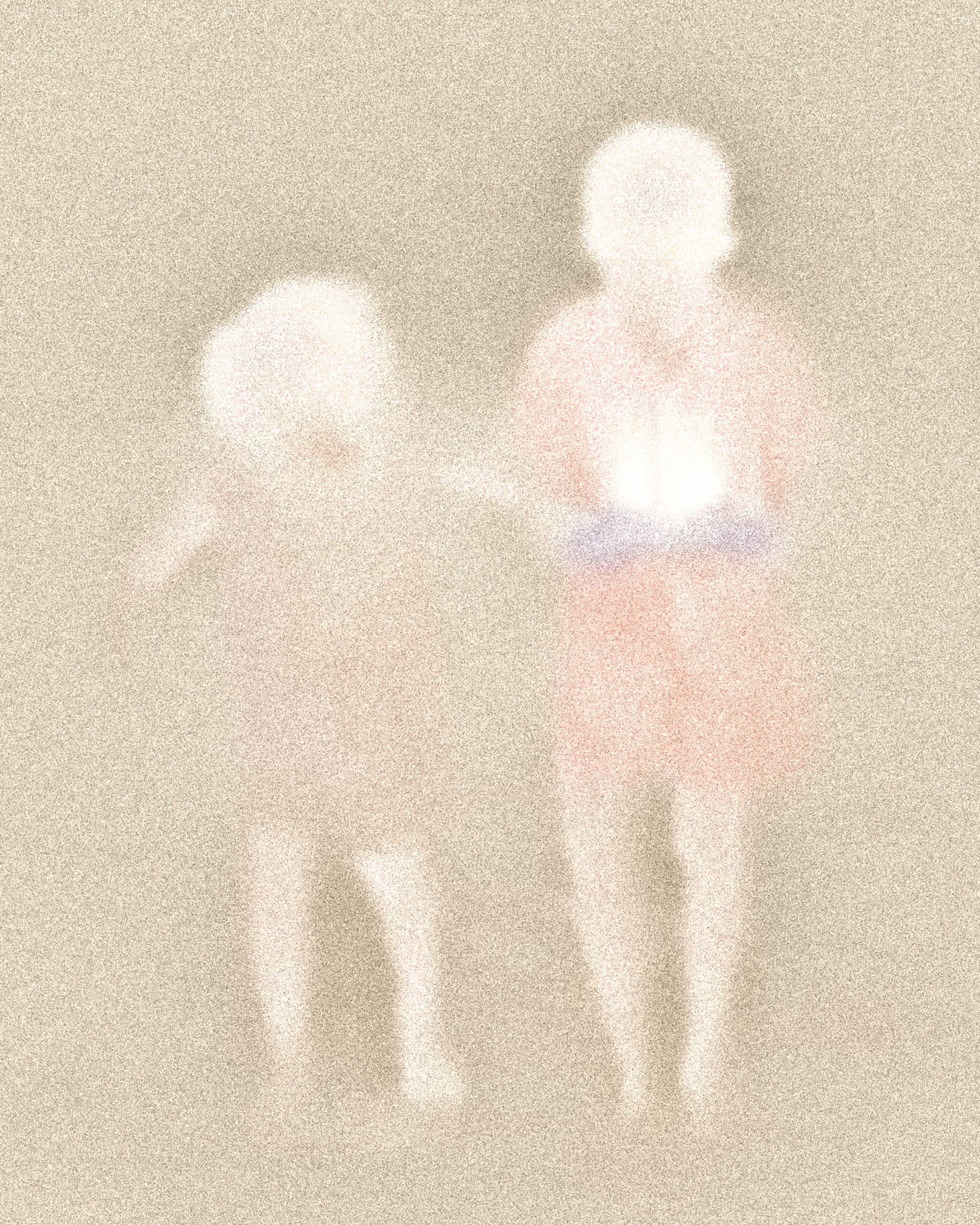
Solaris is the fictional archive of a state surveillance program developed to identify civilians at risk of heatstroke on the beaches of Salvador, Brazil.
Originally presented as a preventive public health tool, Solaris repurposed obsolete maritime sensors designed for target acquisition, integrating facial recognition with live thermography. Field tests along the city's shoreline profiled beachgoers and informal vendors, treating socioeconomic vulnerability as a proxy for health risk.
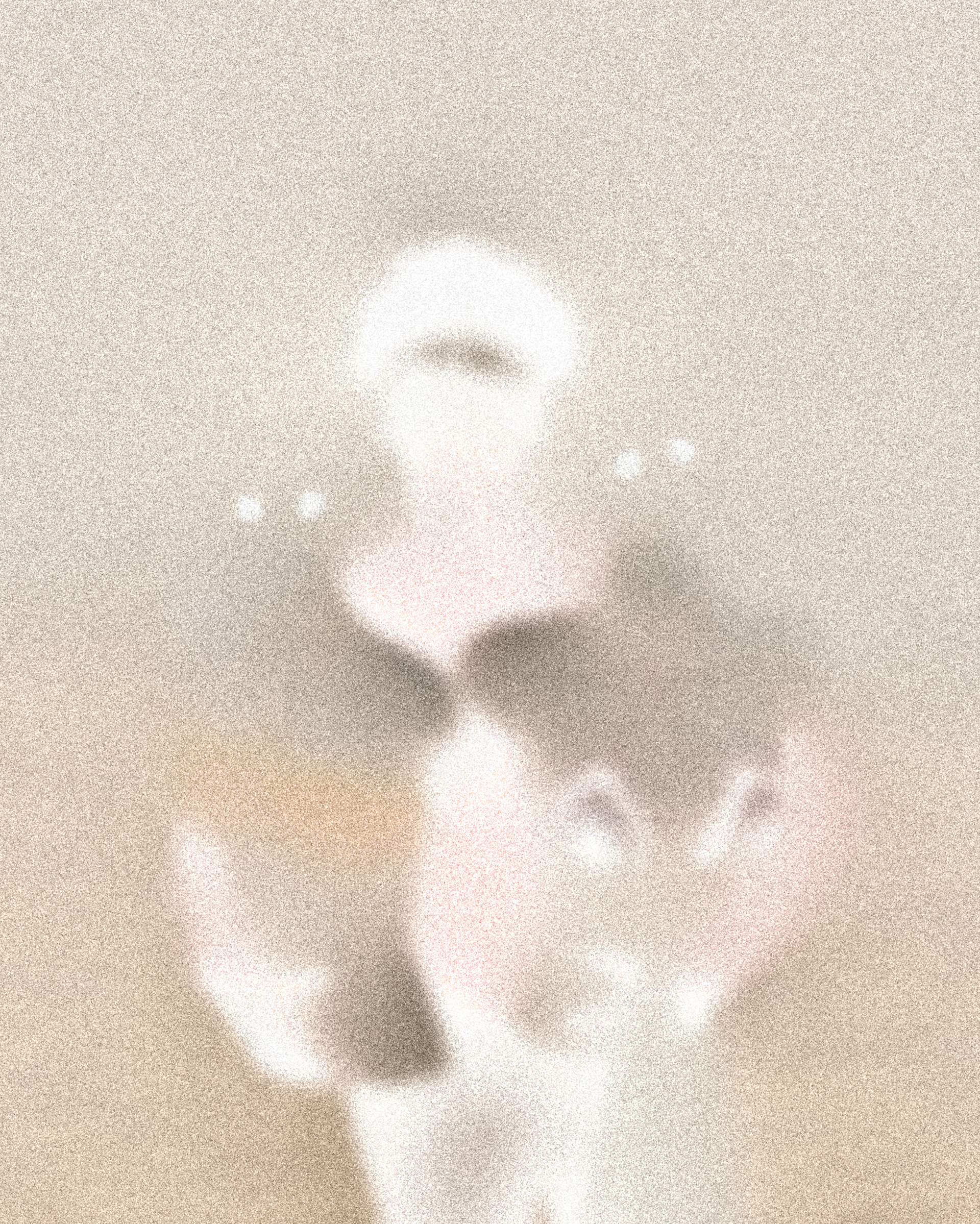
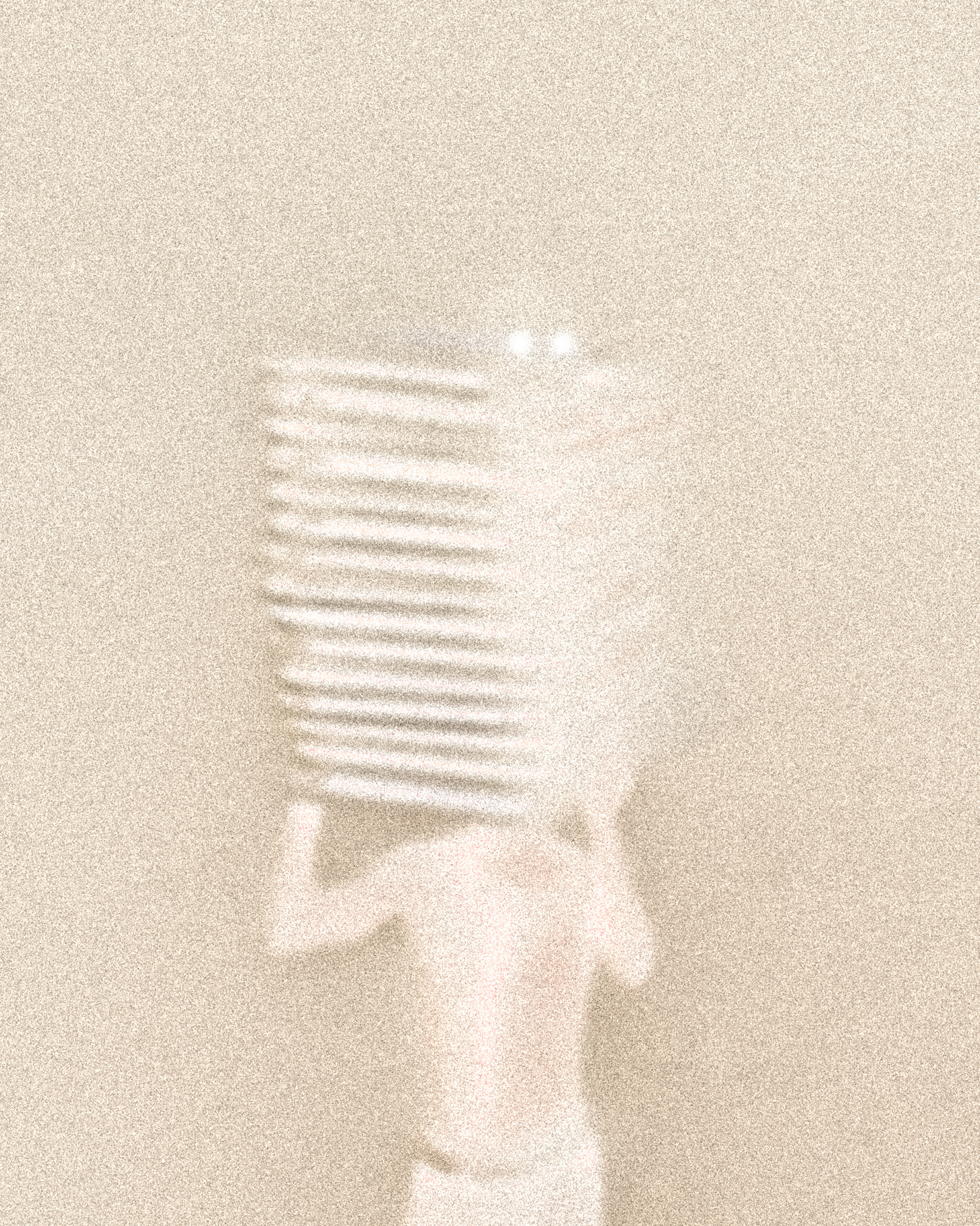
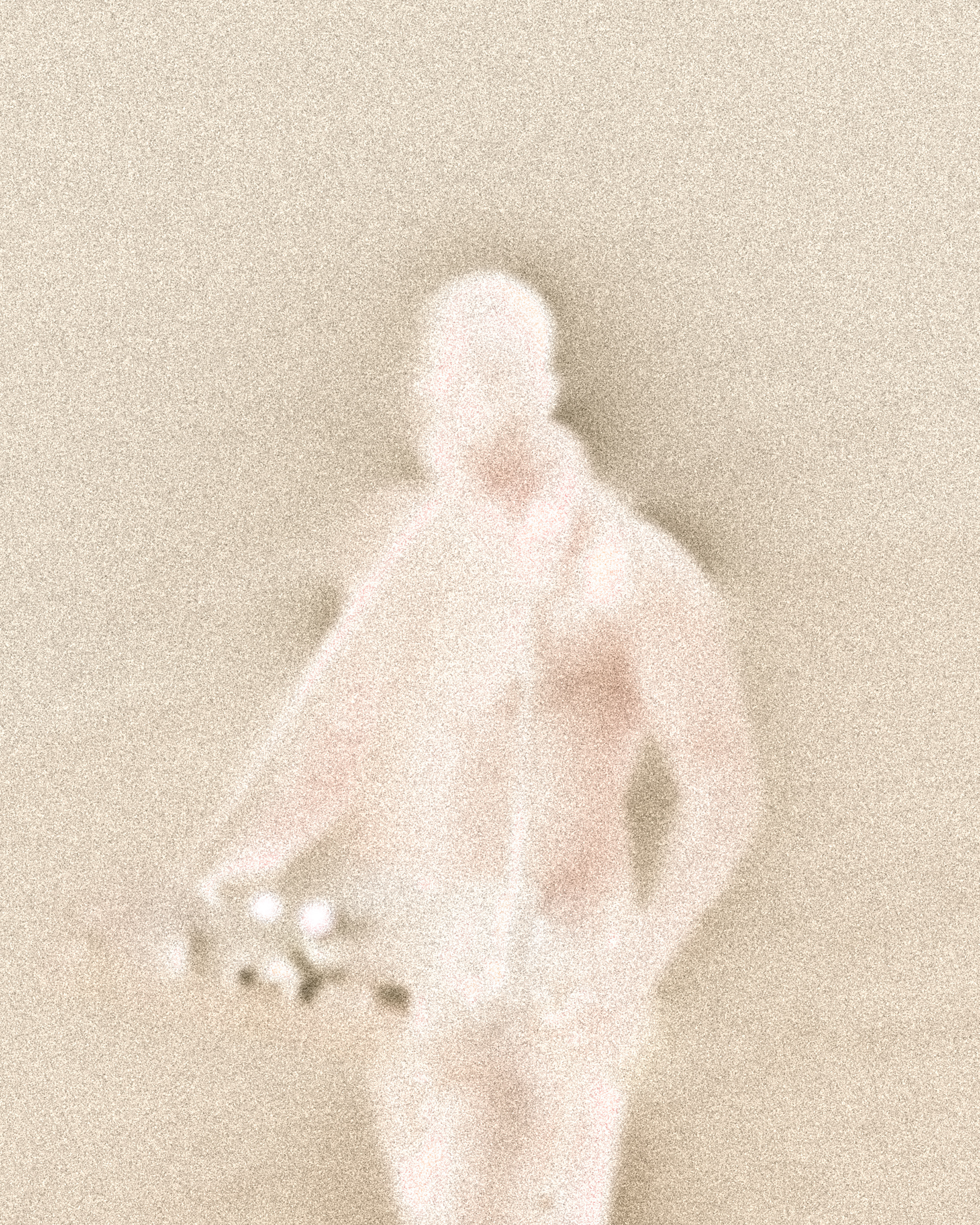
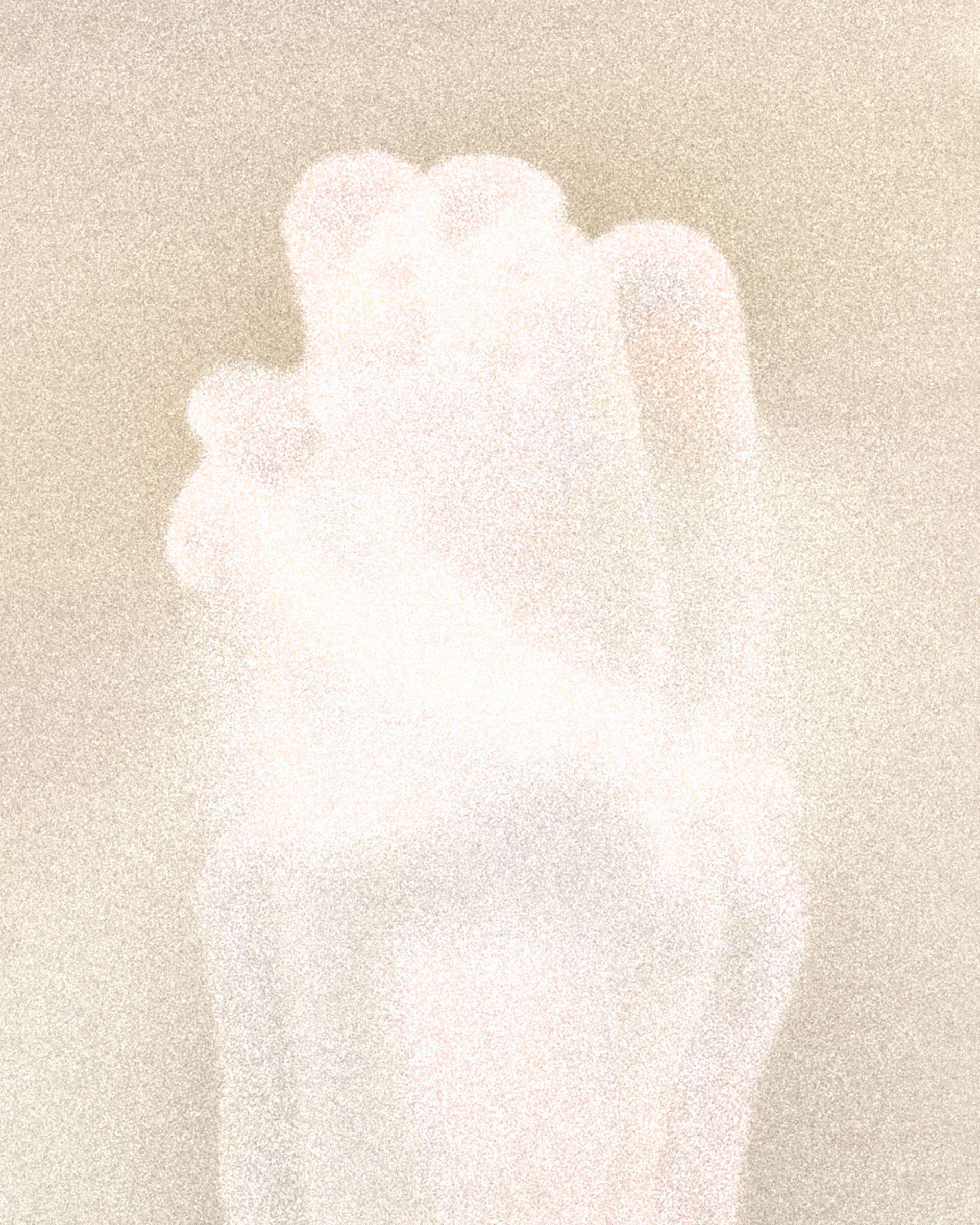
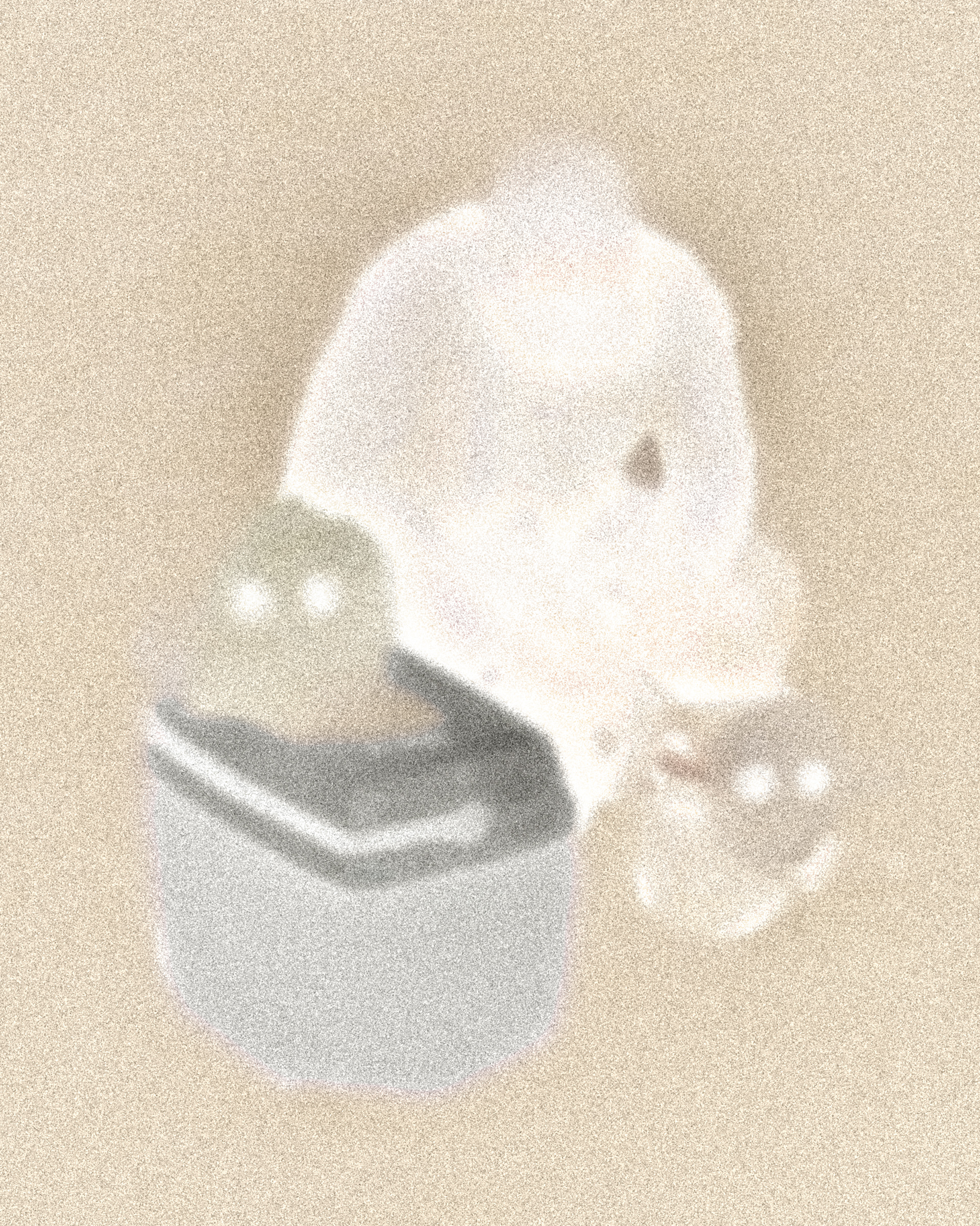
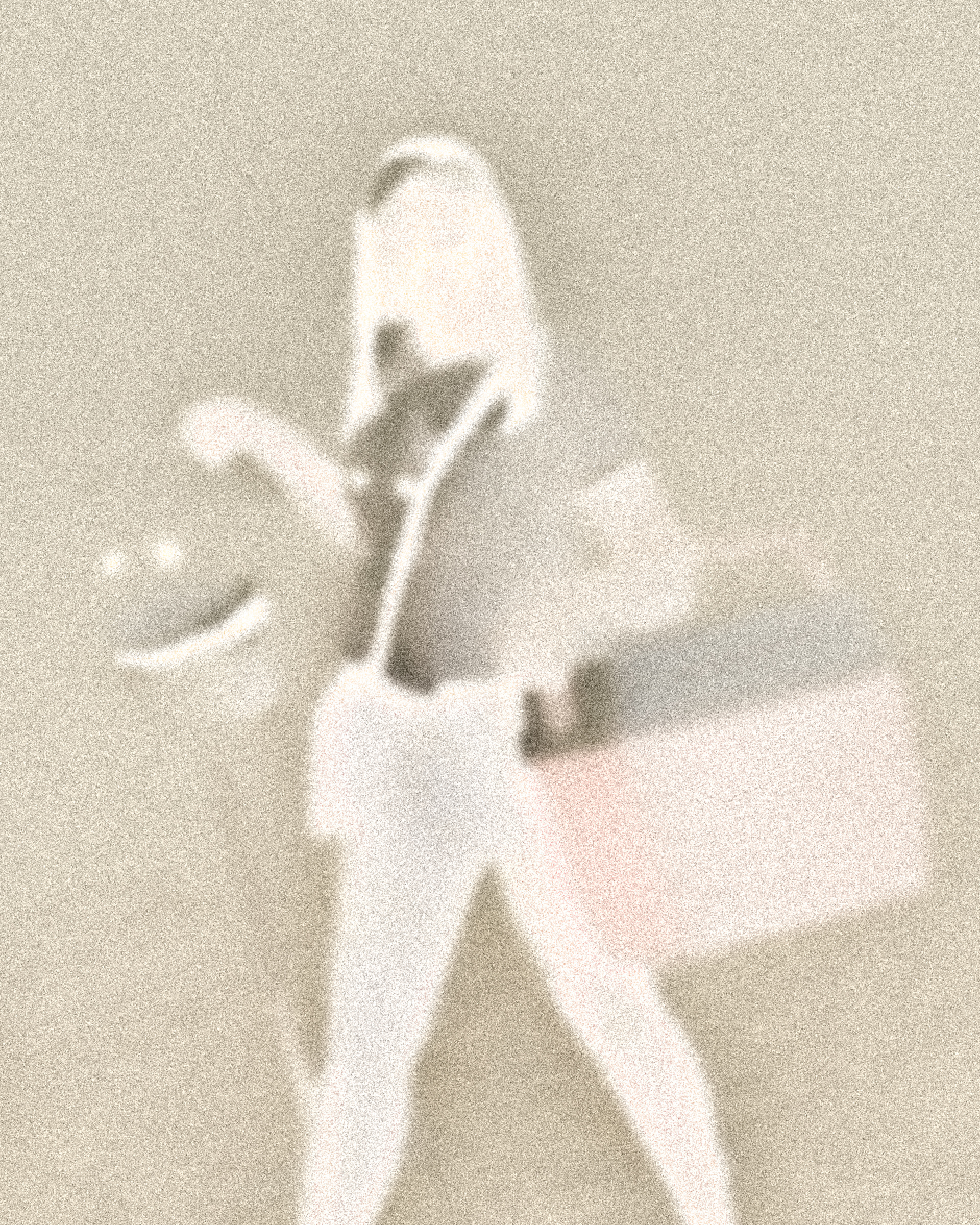
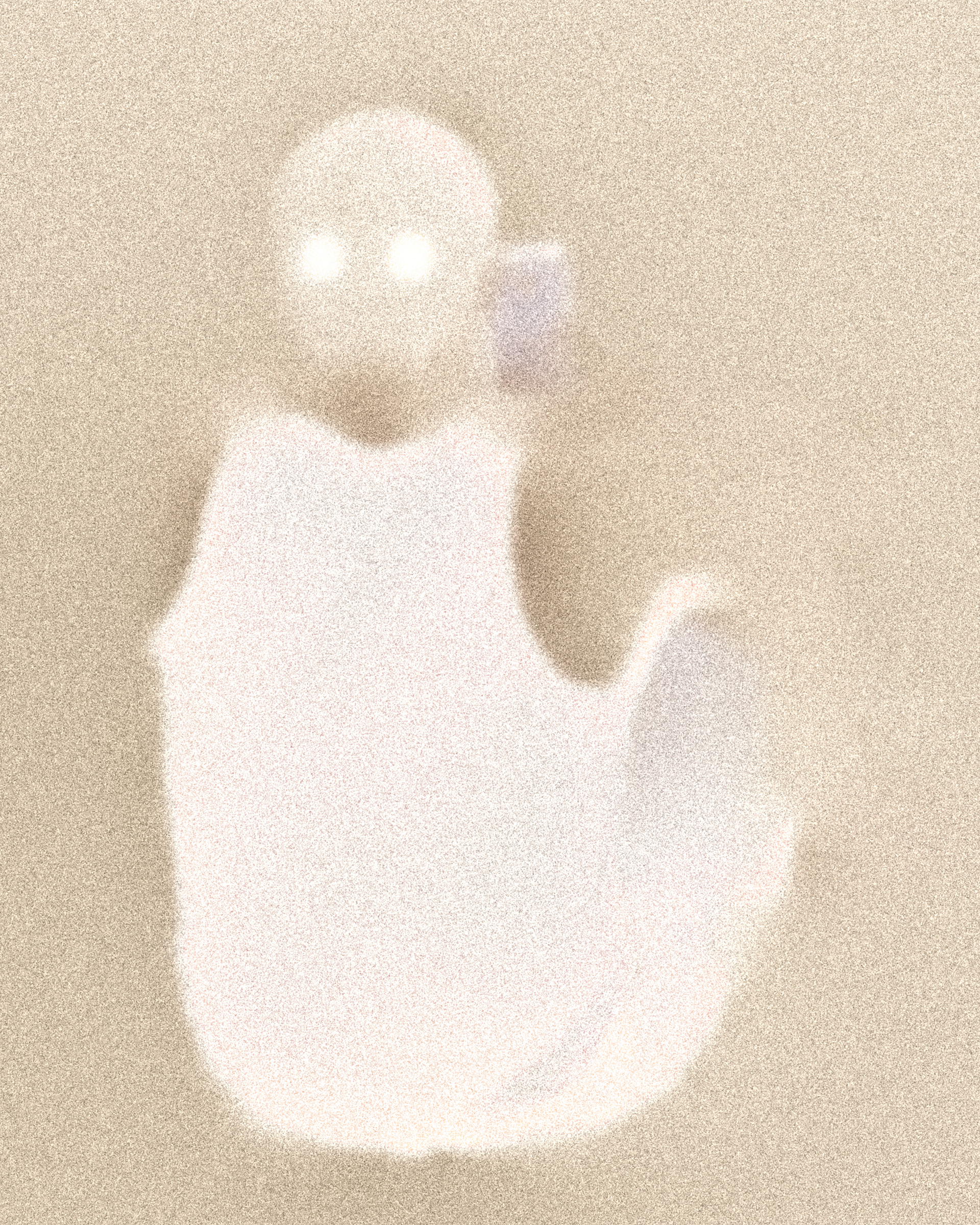
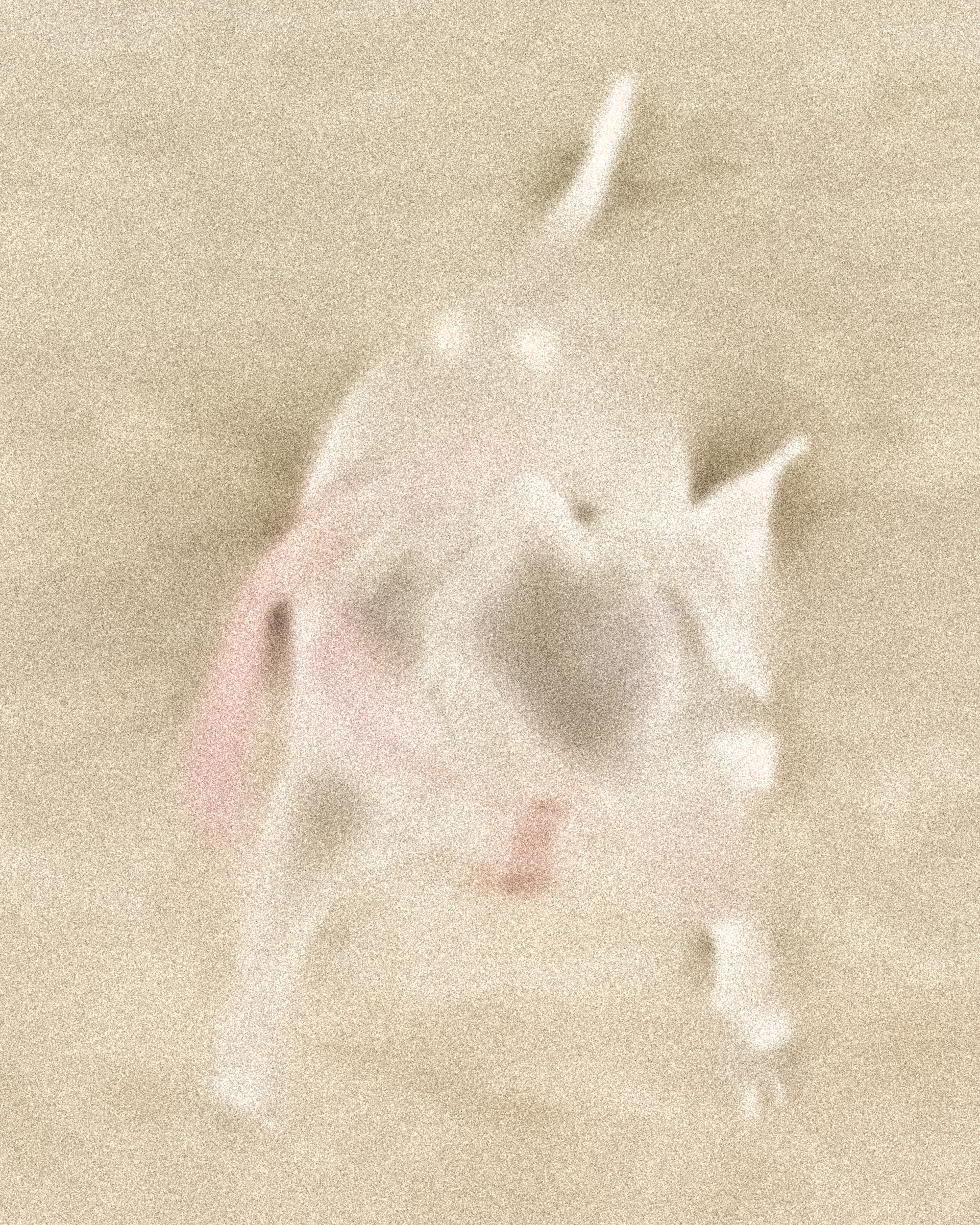
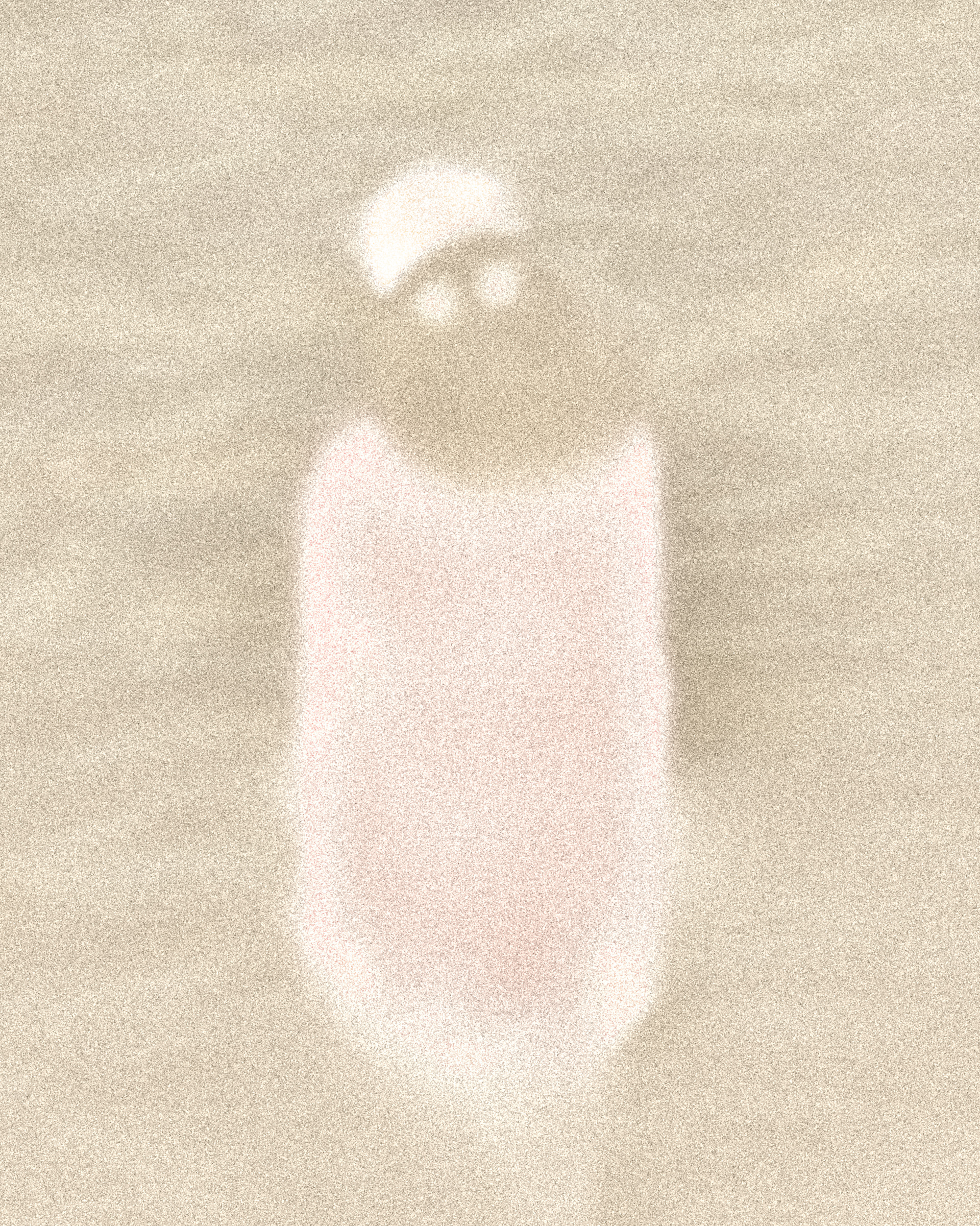
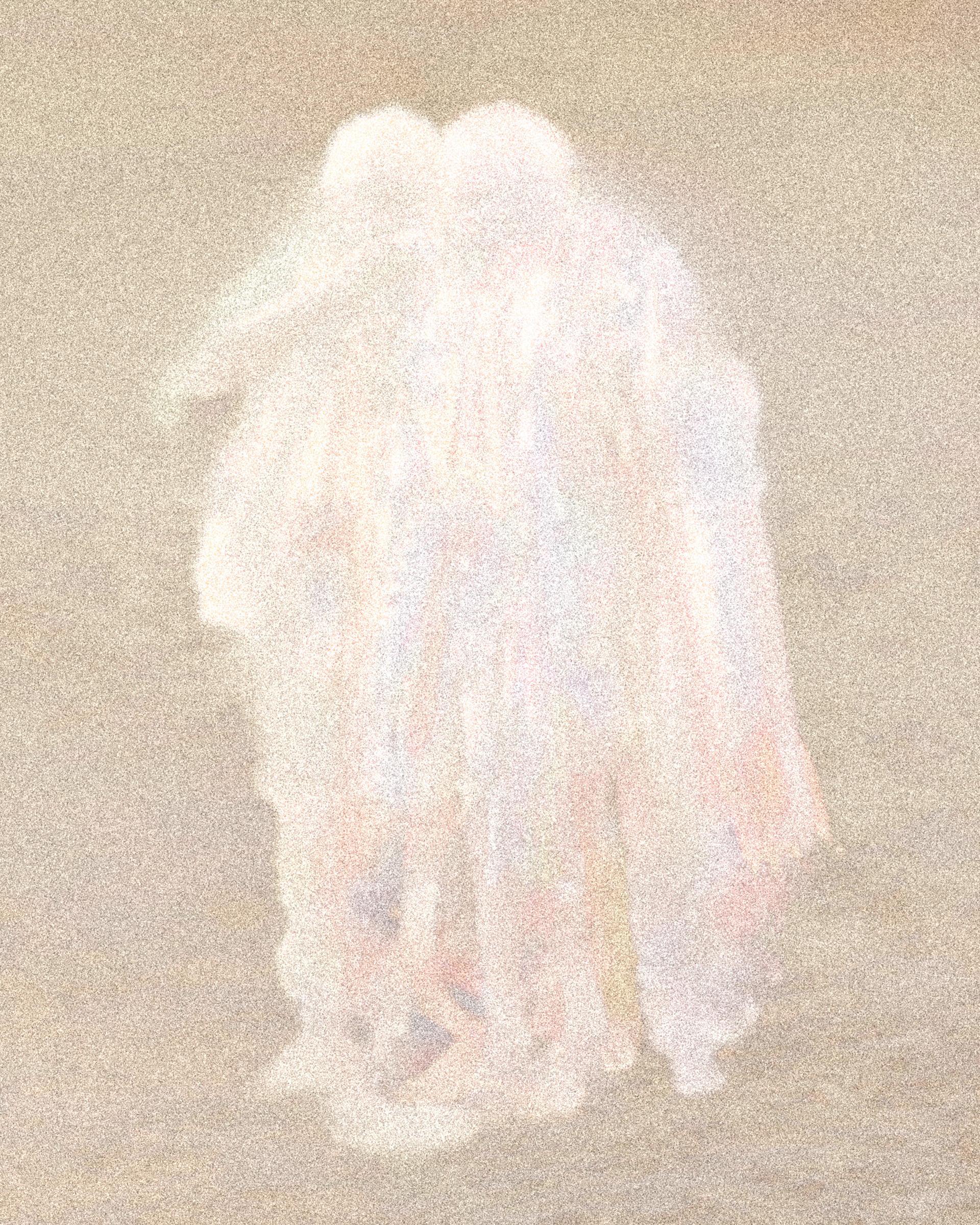
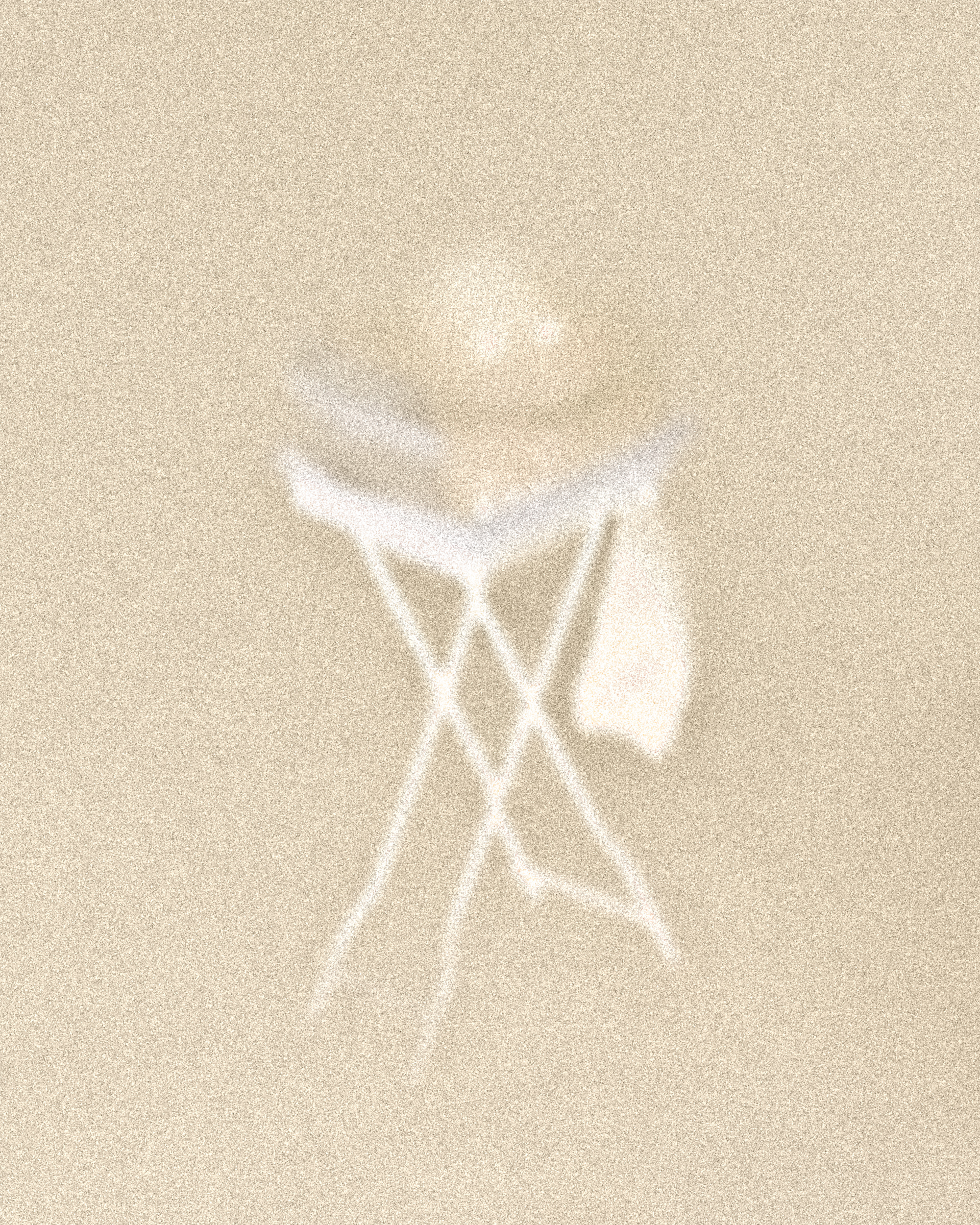
During these trials, the software's clinical objective was frequently compromised by the environment: the maritime sensors suffered from thermal saturation, unable to resolve biological signatures against the extreme infrared radiance of the sand. This resulted in persistent optical distortions, with anomalous detection markers anchored to empty noise.
Suspended amid bias and covert surveillance allegations, the Solaris architecture was redeployed for police monitoring, which led to documented misidentifications. Decommissioned units surfaced as government surplus, acquired by paranormal researchers who interpreted the system's technical instability and sensor noise as evidence of spectral presence, a phenomenon later classified as digital pareidolia.
The final report is incomplete: audits revealed that the processing cluster was a critical component of a global image system affected by unstable labor conditions and high environmental costs. Technical logs detailed recurring calibration failures attributed to "excessive unclassifiable radiation," silhouettes that the database never identified, and corrupted data that was never erased.
Solaris turns the system's collapse into the subject of its archaeology: heat pushing clarity into disorder, entropy taking the form of grain, a photographic language built toward noise instead of information. The photograph's refusal to resolve into identifiable evidence carries the archive's fiction into the image itself, to the point where it stops recording its subject and starts confessing its own breakdown.
While diffusion models move from abstract noise toward fabricated certainty, at a growing thermal and environmental cost, Solaris takes the opposite path, from the captured image toward disorder, as a counterpoint to an age of media hypersaturation and instant photorealism. It returns the freedom this system denies: the right to become illegible. The price is to live as one's own ghost.
In Solaris, neither sensors nor servers withstood the heat.
Bodies in the sand did.